

Stress & Balance
Understand how stress affects your body, thoughts, sleep, and daily energy — and explore practical ways to restore balance.
Read the Complete Guide →
Understanding stress and mental balance
Stress is a normal part of being human. It can sharpen attention when something needs a quick response, but it can also affect how the body feels, how clearly you think, how well you sleep, and how much energy you have for everyday life. Learning to notice these patterns can make stress feel less mysterious and help you respond with more intention.
This hub brings together ANIVO's evidence-informed guides to the stress response, the nervous system, thought patterns, relaxation, breathing, sleep, and daily routines. If you are new to the subject, begin with the Start Here collection for a simple reading path. You can then explore a topic that matches what you are experiencing, whether that means understanding physical signs of stress, building steadier habits, trying a gentle breathing practice, or learning why stress and sleep often influence each other.
The goal is not to eliminate every difficult feeling. It is to build a clearer understanding of your own responses and a practical set of ways to support balance over time. This information is educational and is not a substitute for individual medical or mental health care.
Start here · Complete guide
Understand stress and choose practical next steps
Read ANIVO's comprehensive guide to the stress response, recovery, sleep, daily habits, and evidence-informed support options.

What Happens in Your Body During Stress?
Stress is more than a feeling — it is a coordinated biological response that touches the brain, nervous system, hormones, and nearly every organ.
A guided reading path
Start Here
Begin with the foundations, then move toward practical ways to support balance in daily life.

How Your Thoughts Can Shape the Way Stress Feels
Stress is shaped by real-life demands, but also by the meaning we give them. Learn how to separate events from interpretations and explore a simple reflection exercise for responding with more clarity.

Daily Habits for a Calmer Nervous System
You cannot think your way to a calmer nervous system. But you can build it — through small, consistent daily habits that signal safety to your body and gradually shift your baseline.
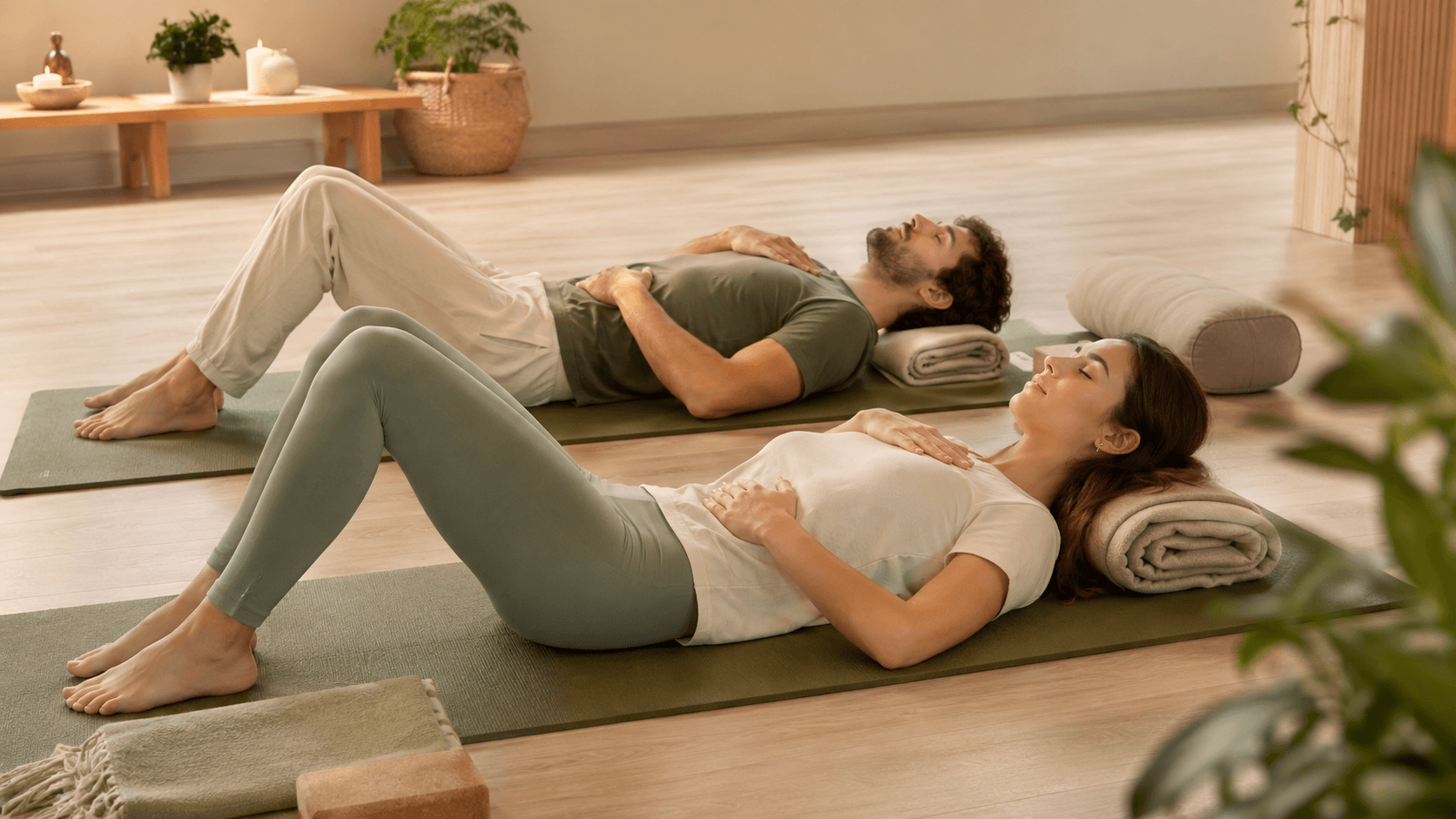
Breathing Techniques for Beginners: 3 Gentle Practices to Try
Explore three beginner-friendly breathing techniques: breath awareness, gentle diaphragmatic breathing, and a softer exhale. This practical guide helps you begin with comfort, simplicity, and no pressure to follow a perfect rhythm.

The Stress-Sleep Cycle: Why Stress Can Keep You Awake
Stress can make it harder to rest, and a difficult night can make the next day feel even more demanding. Learn how the stress-sleep cycle works and what may help the body transition toward rest.
Understanding Stress
Learn what the stress response is and how it can influence the body, nervous system, and daily experience.
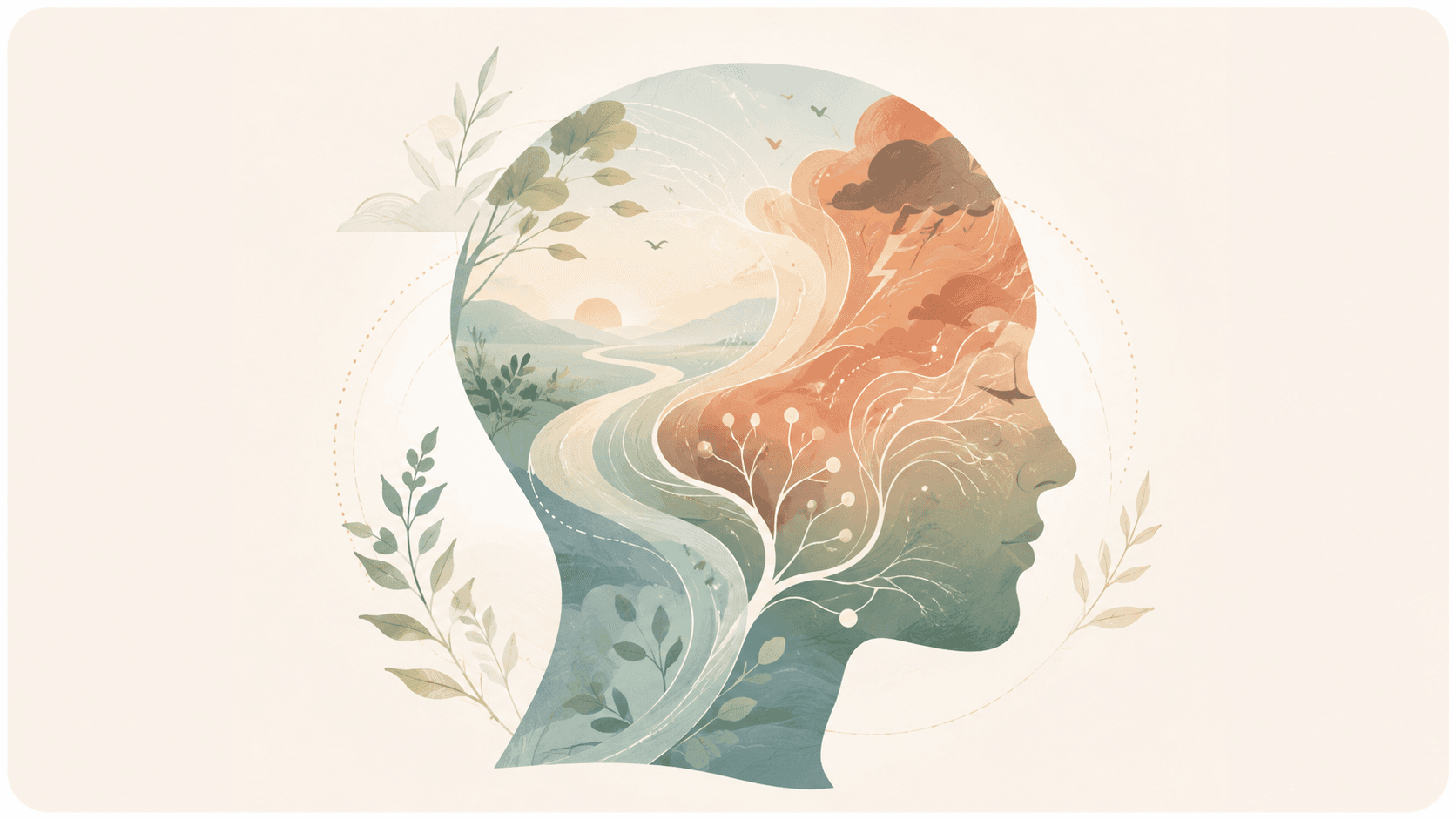
Understanding Cortisol and Its Role in Daily Stress
Cortisol is often described as the body's stress hormone, but that is only part of the story. Learn why cortisol is essential, how it changes throughout the day, and what ongoing stress may mean for daily wellbeing.
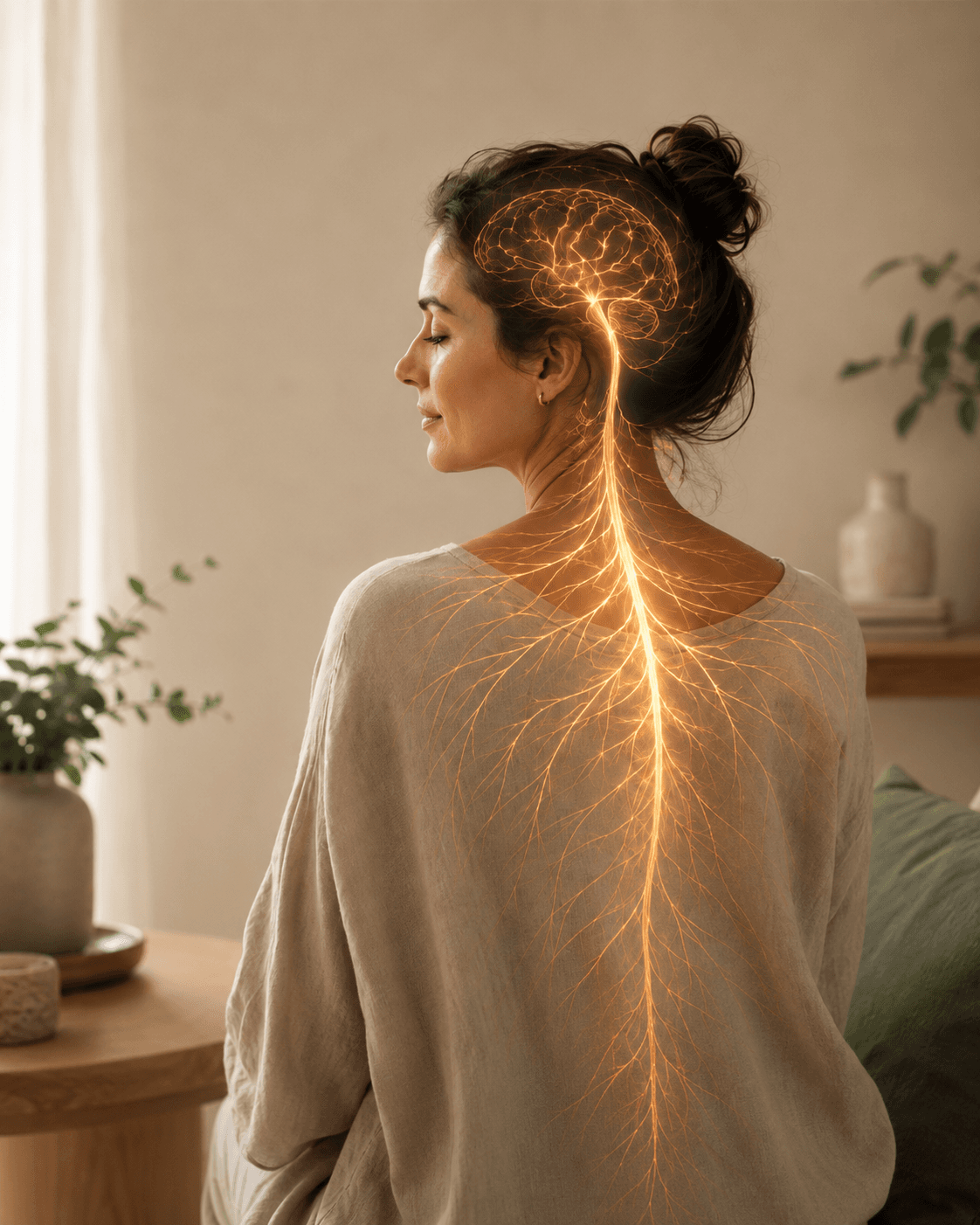
How Your Nervous System Responds to Stress
Your nervous system is not broken — it is doing exactly what it was designed to do. Understanding its two main modes and how to shift between them is one of the most useful things you can learn.

How Stress Can Show Up in the Body
Stress is not only a mental experience. It may also show up through muscle tension, changes in breathing, fatigue, restlessness, sleep disruption, or digestive discomfort. Learning to notice patterns gently can help you respond earlier without assuming that every symptom is caused by stress.
Everyday Stress Management
Build awareness and realistic habits that can make demanding days feel more manageable.
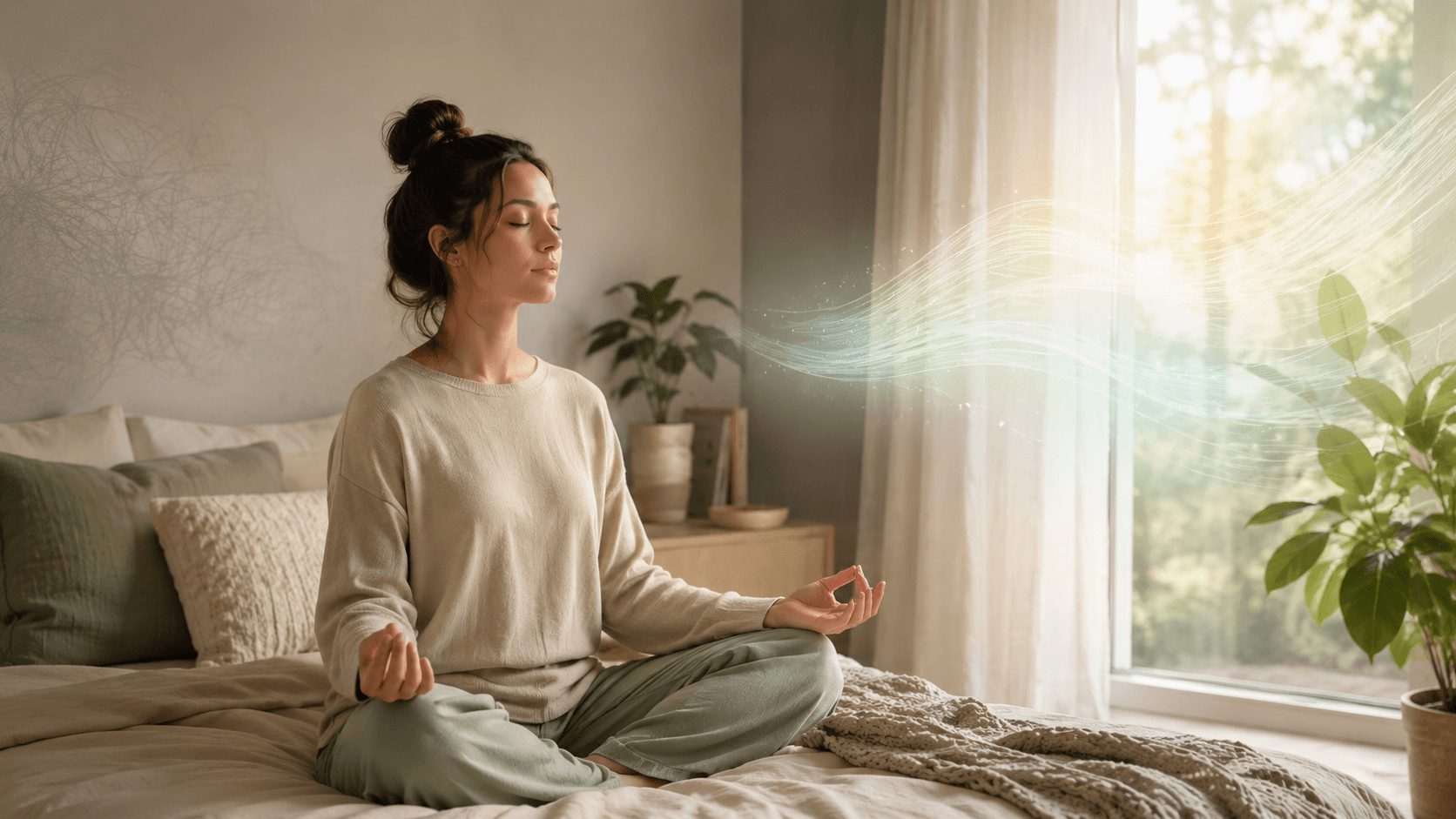
How Daily Meditation Can Help Reduce Stress
Meditation won't erase your stress — but it can change how your body responds to it. Here's a calm, honest look at what a short daily practice can actually do for you.

How to Make Decisions When You Feel Overwhelmed
When you feel overwhelmed, even ordinary choices can start to feel heavier than they are. Learning to reduce mental noise, separate facts from fear, and focus on one practical next step can make decision-making feel more manageable.

The Difference Between Resting and Actually Releasing Tension
Sitting on the couch or lying in bed does not always mean the body has let go of the day. Jaw clenching, raised shoulders, shallow breathing, and mental rumination can remain active even during rest. A few gentle practices may help create more ease.
Breathing and Relaxation
Explore gentle practices that can help create a pause and support the body's natural relaxation response.

The Relaxation Response: Techniques to Support Daily Balance
Chronic stress wears on the body over time. The relaxation response is your body's built-in counterbalance — and with the right techniques, you can learn to activate it consistently.

Breath Work 101: A Beginner's Guide to Conscious Breathing
Breathing is both automatic and voluntarily adjustable. This beginner's guide explains how gentle breathing practices may support stress regulation, heart rhythm and body awareness — without forcing the breath or chasing a perfect technique.
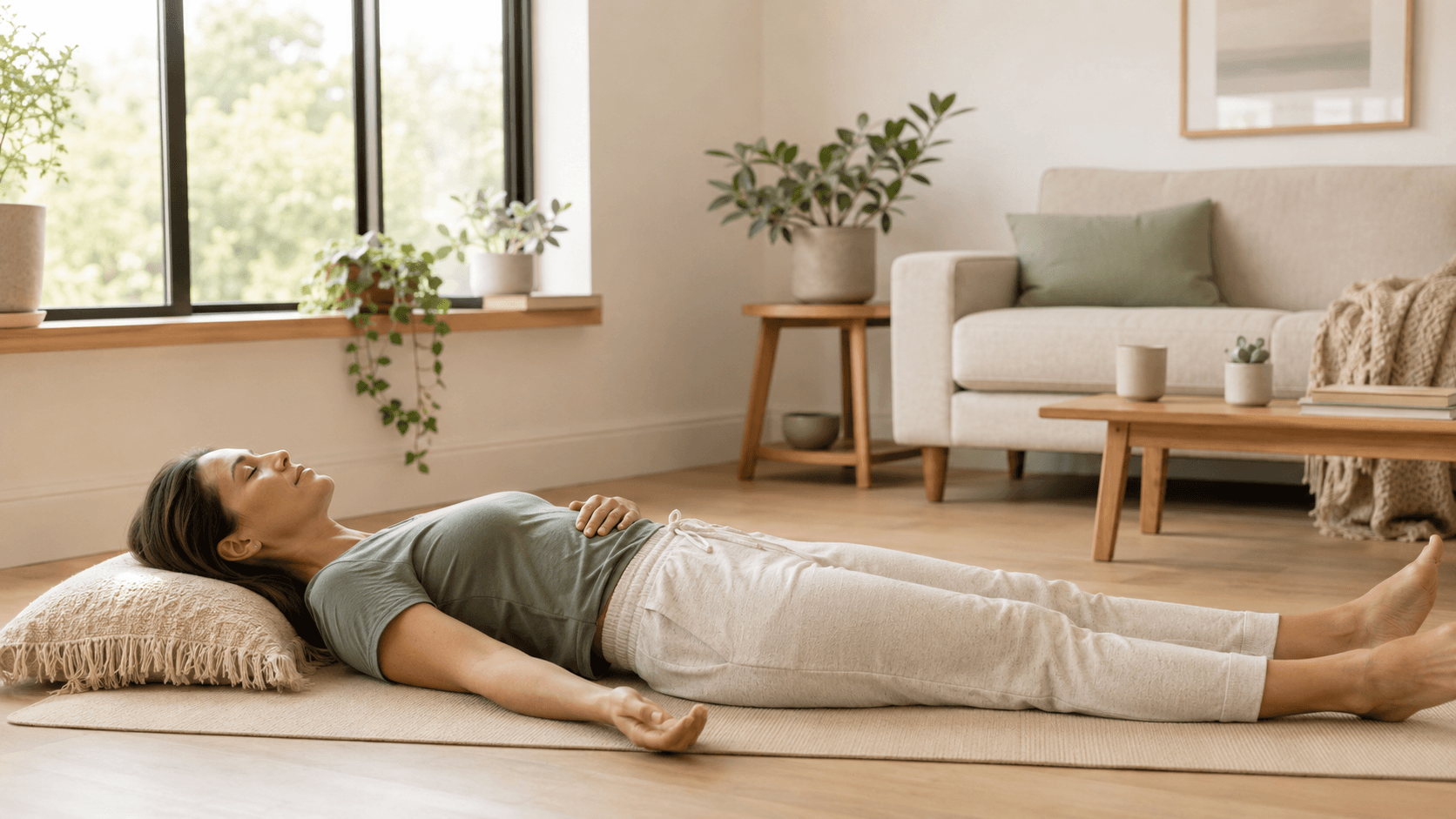
A Beginner's Guide to Body Scanning
A body scan is a simple way to pause and notice what is happening in your body without trying to fix every sensation. This beginner-friendly guide offers a calm 3–5 minute practice you can use during ordinary days.
Stress, Sleep and Energy
Understand the two-way relationship between stress, nighttime rest, and how you feel during the day.

Racing Thoughts at Night: How Worry and Rumination Affect Sleep
Why do thoughts often feel louder when the day becomes quiet? Learn how worry and rumination may affect sleep, and explore gentle ways to create a calmer transition into rest.

Breathing Exercises Before Bed: A Gentle Way to Wind Down
A short breathing practice can create a quieter transition between a busy day and bedtime. Learn how to explore gentle breath awareness and a softer exhale without rigid counting, force, or pressure to fall asleep.

Sleep Hygiene Checklist: A Science-Based Guide to Rest
Sleep is not passive rest — it is an active process of brain restoration. This science-based checklist covers the habits and environment changes that can support better sleep quality naturally.
Practices
Try a guided practice selected from the existing ANIVO practice library.
Focus Reset
Beginner
A short attention exercise with three gentle phases — settle, follow, and return — designed to help bring your awareness to the present moment.
Nervous System Reset | Guided Breathwork
Beginner
A guided breathwork practice designed to help you explore short, intentional breathing patterns and return to a calmer state. This practice may support a sense of reset and nervous system awareness.
Morning Breathwork Practice
Beginner
A gentle morning breathwork practice to help you start the day with more clarity, calm, and steady energy.
These practices are educational and are not medical advice. Stop if you feel unwell and consult a qualified professional when appropriate.
Latest Articles
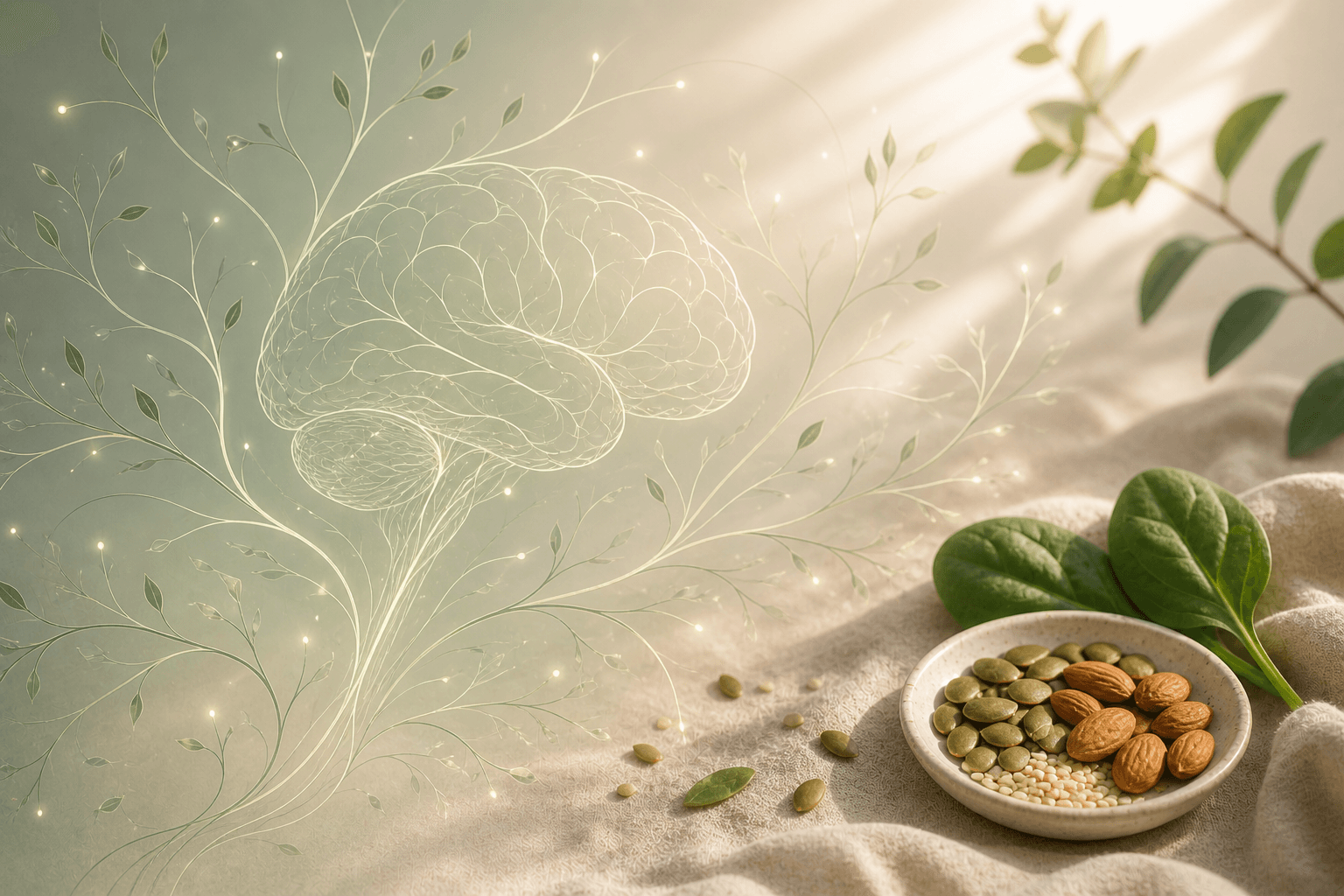
Magnesium: A Foundation for a Calmer Nervous System
Magnesium plays a quiet but important role in how we manage stress and find rest. This essential mineral may support a calmer, more balanced nervous system.
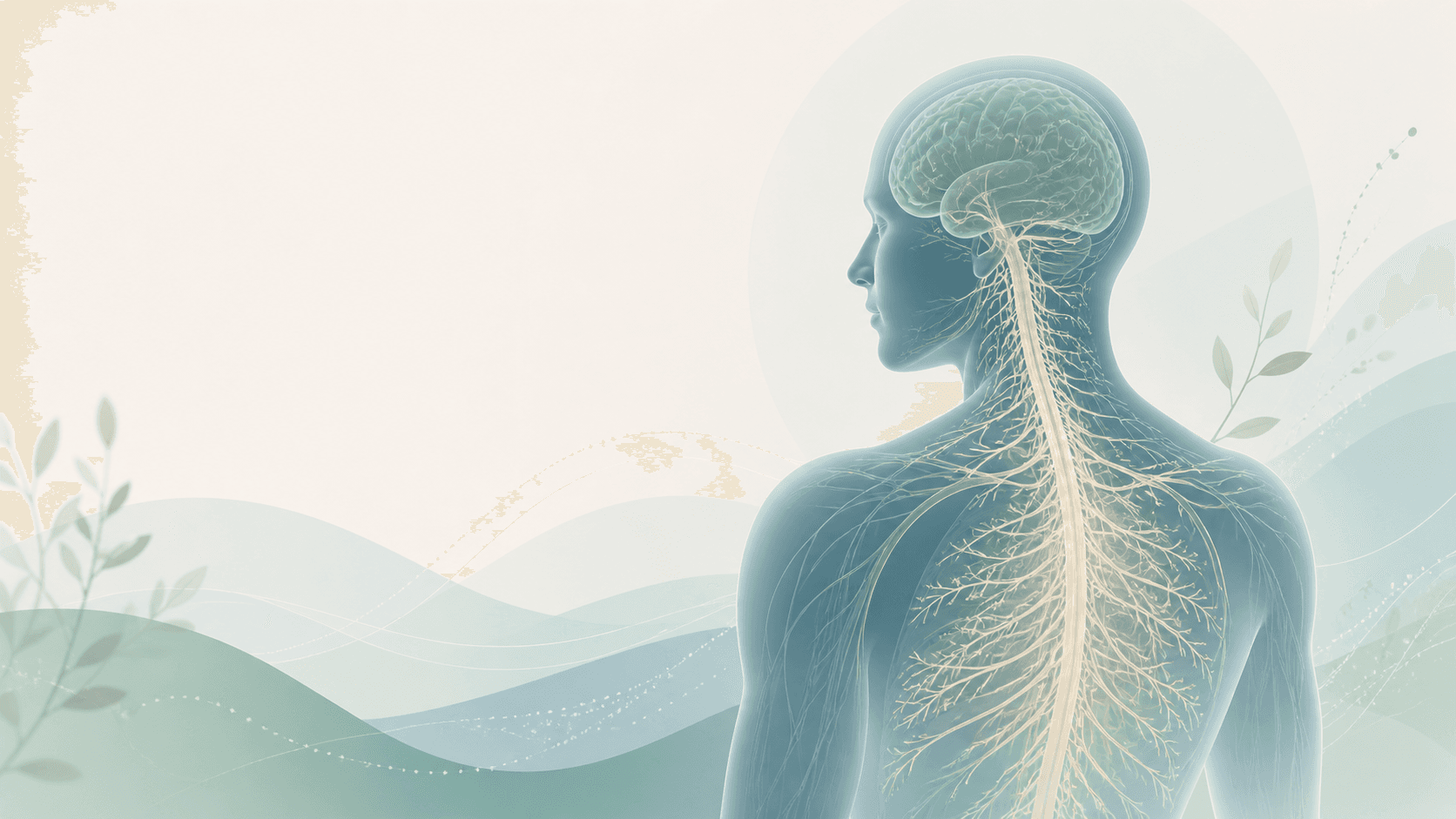
How Stress Affects the Nervous System
Stress is not just a feeling — it is a physical process that runs through your nervous system. Understanding what happens inside your body when you're under pressure is the first step to finding your way back to calm.

How Magnesium Supports a Calmer Nervous System
Magnesium plays a key role in regulating the nervous system. Learn how adequate intake may help support a sense of calm and mental balance.
Curious about supplements?
Explore the catalog to compare ingredients and product information at your own pace.
Explore supplements →Resources
Explore curated books, supplements, and recipes that complement the educational guides above.
Supplements
View all supplements →
Magnesium Glycinate
NOW Foods
Magnesium glycinate tablets with 200 mg elemental magnesium per 2-tablet serving.
Price and availability may change on the retailer's website.

L-Theanine Double Strength
NOW Foods
Double-strength L-theanine with inositol in vegetarian capsules.
Price and availability may change on the retailer's website.

Optimized Ashwagandha
Life Extension
Sensoril® ashwagandha extract in vegetarian capsules.
Price and availability may change on the retailer's website.
Recipes
View all recipes →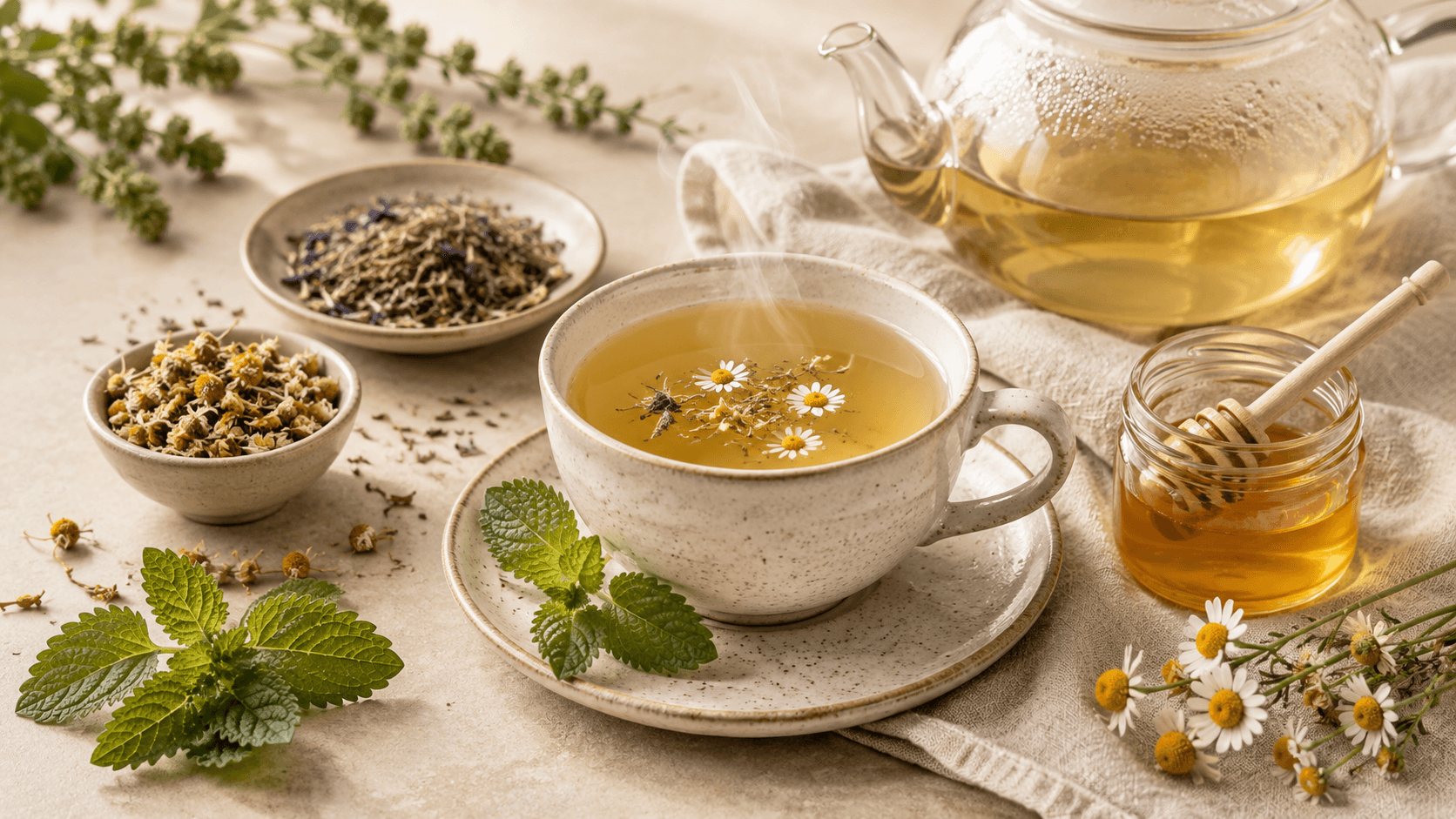
Sleep Support Herbal Tea
A gentle blend of chamomile, passionflower, and lemon balm — traditionally associated with relaxation before bedtime.

Tart Cherry & Vanilla Bedtime Cooler
A soothing evening drink made with tart cherry juice and a hint of vanilla — a simple ritual to help ease the transition to restful sleep.

Calming Evening Cacao
A warm, nourishing drink made with raw cacao and a touch of ashwagandha — a grounding way to close the day.

Whipped Cottage Cheese & Pumpkin Seed Evening Plate
A light and creamy evening snack of whipped cottage cheese with pumpkin seeds and kiwi — designed to complement a calm, consistent wind-down routine.
Support by goal





Frequently Asked Questions
Have a question about Stress & Balance?
Send us a question and we may turn it into a future ANIVO guide.

Continue Your Stress Support Journey
Explore practical resources, calming routines, and educational support for everyday balance.