
How to Build a Balanced Plate Without Overthinking Every Meal
Healthy eating is best viewed as a pattern over time, not a rigid rule for every bite. A simple visual framework can make everyday meals easier to assemble.
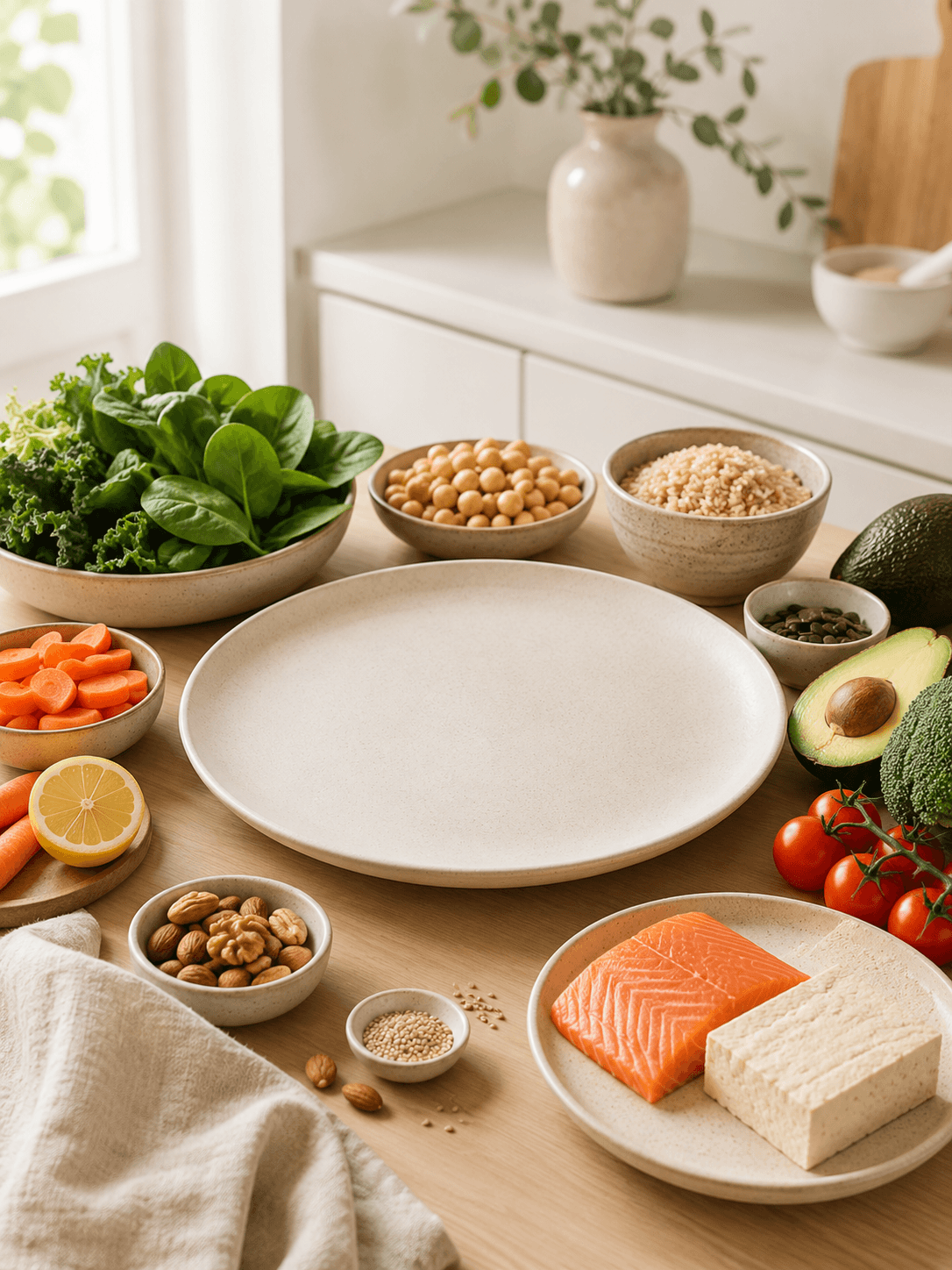
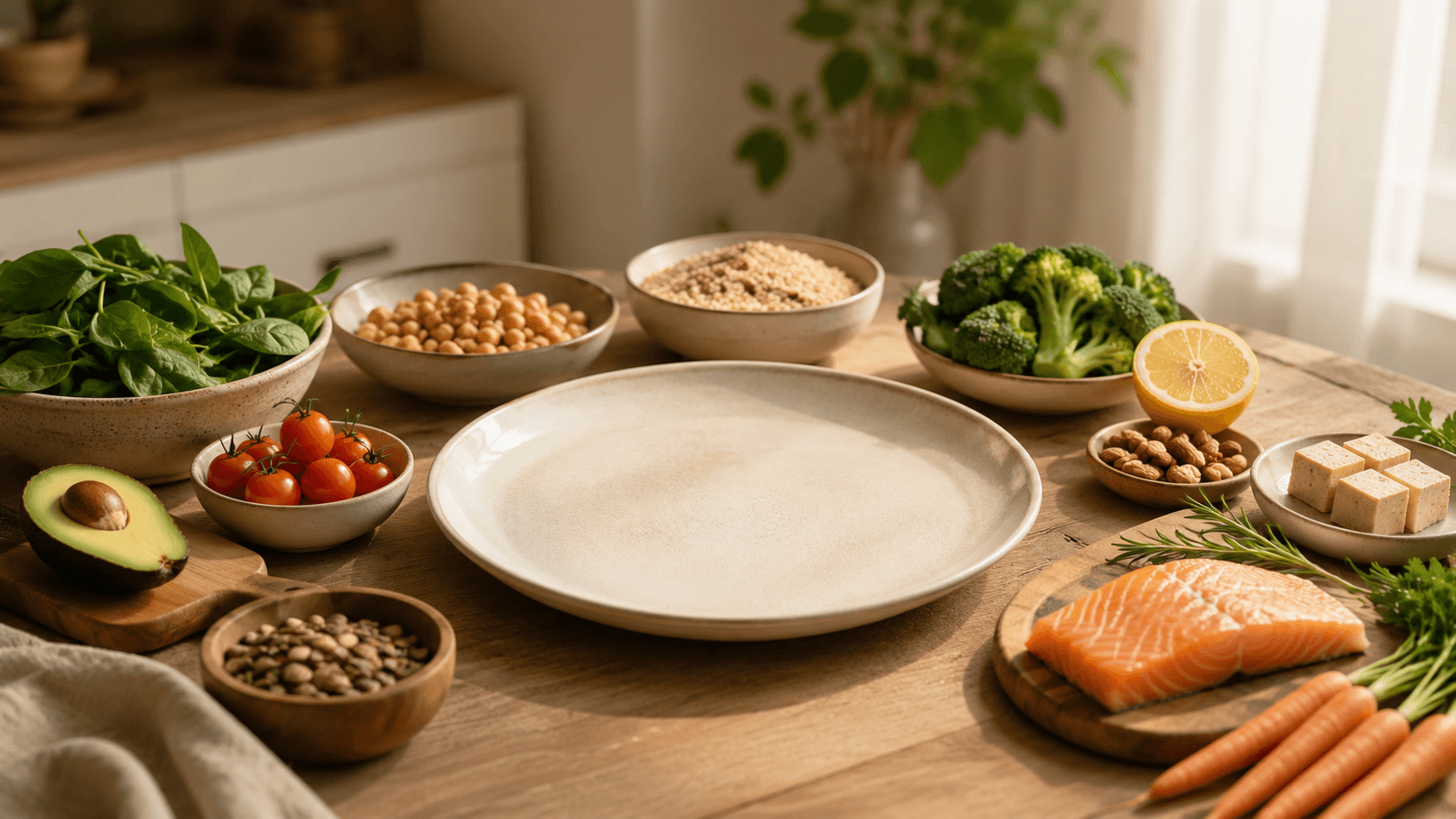
Quick Summary
- Focus on your overall dietary pattern rather than trying to perfect every meal.
- Use a flexible visual guide: produce, a grain or starchy food, and a protein source.
- Include a variety of protein sources, including beans, lentils, eggs, fish, poultry, tofu, nuts, and seeds.
- Adapt meals to your culture, budget, appetite, and routine.
- Small, repeatable meal adjustments are often easier to sustain than major overhauls.
Full Article
A balanced plate can use about half vegetables and fruit, one quarter grains or another starchy food, and one quarter a protein source. It is a flexible guide, not a requirement for every meal.
Use a visual framework, not a rulebook
Visual guides such as USDA MyPlate and the Harvard Healthy Eating Plate turn broad nutrition guidance into something practical.
Make plants the largest part
Vegetables and fruit can bring colour, texture, fibre, and a wide range of nutrients to a meal. Fresh, frozen, canned, and dried options can all have a place. Variety matters more than perfection: leafy greens, tomatoes, peppers, carrots, beans, lentils, berries, or fruit that is in season can all work.
Choose grains that work for you
Whole-grain options such as oats, brown rice, whole-wheat bread, barley, or whole-wheat pasta can add fibre and make meals more satisfying. They do not need to replace every refined grain overnight. A useful approach is simply to include them more often where they fit your preferences and routine.
Vary the protein
A meal can include beans, lentils, eggs, fish, poultry, tofu, nuts, seeds, yogurt, or other foods that fit your dietary pattern. Variety can make meals more interesting and can make it easier to include different nutrients across the week. For example, you might add beans to a soup or choose one listed protein source that fits the meal already on the plate.
Make the framework your own
A supportive dietary pattern should be adaptable to culture, budget, access, and appetite. A traditional stew with beans and vegetables, a rice bowl, a sandwich with fruit on the side, or a quick pasta meal can all fit the same broad idea. Herbs, spices, and familiar flavours can help meals feel enjoyable without relying heavily on added salt or sugar.
Think in small, repeatable adjustments
You do not need to replace your whole kitchen or cook differently every night. You might add vegetables to a familiar pasta dish, add beans to a soup, choose a whole-grain option when it is available, or place fruit beside a sandwich. These small choices can build a more varied pattern over time.
Skill to Try
The bigger picture
No single meal determines your health. This framework can be a calm, practical tool: one that leaves room for real life, personal preferences, and meals that are both nourishing and enjoyable.
This article is for general wellness education and is not medical advice. For nutrition guidance related to a health condition, medication, or individual dietary need, consult a qualified healthcare professional.
Educational Disclaimer
This content is for informational and educational purposes only. It is not intended as medical advice and does not replace professional consultation. Always speak with a qualified healthcare provider before making changes to your health routine.
Sources & Further Reading

Continue exploring
Discover guides, supplements, books, and practical resources for stress & mental balance.